‘This Is Not a Mistake’: White Cop Shoots the Only Black Man on FBI Task Force More Than 10 Times, Confuses Him for Suspect — Then the Video Drops and Everything Collapses
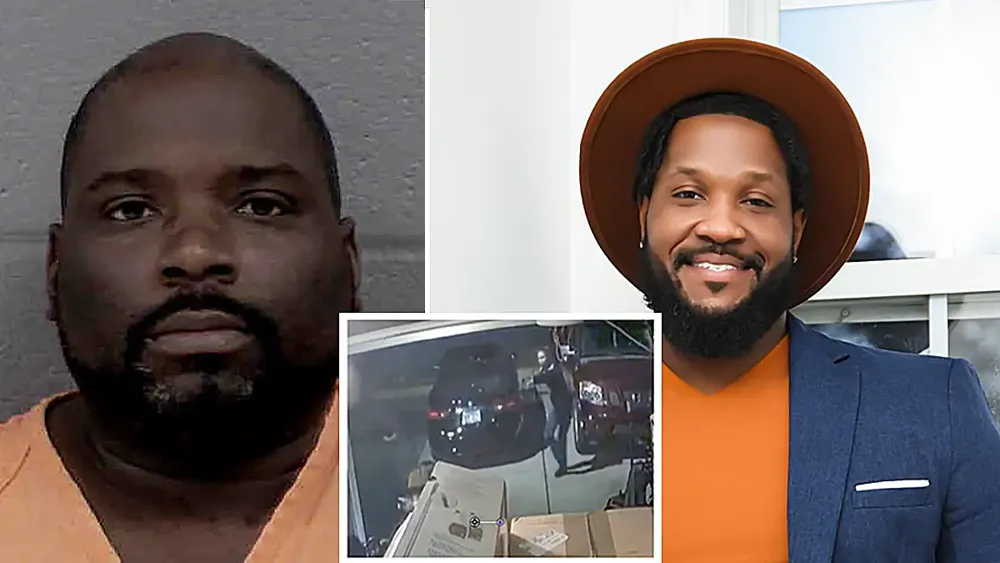
Clarence Belton was the only Black cop participating in a drug raid of a Black man’s house in North Carolina when he was shot more than ten times by a white cop who confused him for the suspect. Belton, who worked for the Gastonia Police Department and was part of an FBI task force, survived the 2019 shooting, and filed a lawsuit against the cop who shot him, Charlotte-Mecklenburg police officer Heather Loveridge But Loveridge has been trying to get the lawsuit dismissed on the basis she is protected from liability through qualified immunity, which protects cops from lawsuits unless it can be proven the cop violated a “clearly established” right. A white cop shot a Black cop, Clarence Belton (right), after confusing him for drug trafficking suspect, Larry McConneyhead, left. Screenshot of the shooting is center.(Photos: Mecklenburg County and facebook.com/profile.php?id100086979896130) The lower district court denied her qualified immunity so she appealed it and the appellate court last year vacated the lower court’s decision, ordering the court to conduct a more thorough review as to whether Loveridge deserves qualified immunity. The United States Court of Appeals for the Fourth District also ordered the release of video from the incident which the lower court had denied. In October, the unsealed video was obtained by the Charlotte Observer and released. ‘OMG!!!!’: Florida Police Said They Were Forced to Kill a Black Man, Refused Calls for BodyCam Video — Then a Neighbor’s Footage Blew the Story Apart Today, more than six years after the shooting that left Belton with permanent injuries, the case is still pending while the lower court follows the directions of the appellate court to make its determination. “This is not just a tragic mistake. It is a training failure,” wrote attorney Lee Merritt, who is not involved in this case, brought more light to the story when he posted about the case on Instagram on Tuesday. “When officers lack the quality, quantity and frequency needed to make quick second identifications under pressure, catastrophic errors become inevitable.” “The same training deficiencies that led to Belton being shot are why we see these same errors in the field against civilians in the field who are not law enforcement. Belton’s permanently disabled arms are proof that substandard training has real consequences for everybody,” Merritt added. Belton, who is no longer a cop, is now working as a real estate agent. View this post on Instagram A post shared by Lee Merritt (@leemerrittesq) ‘In a Single Burst, She Fired Over Ten Shots’ The shooting took place during the early hours of Nov. 1, 2019, as four officers of the FBI’s Safe Streets Task Force from the Gastonia police department and two officers from the Charlotte police department gathered to serve a search warrant on a house of a man suspected of trafficking in methamphetamine, court records state. The Black man suspected of drug trafficking was Larry McConneyhead. Court records state had served 15 years in prison for murder. At one point, the cops spotted McConneyhead walking out the house to place a garbage bag into a garbage can, but when they ordered him to get on the ground he ran back into the house. Four Gastonia cops entered the open garage, including one with a battering ram to bust the door to the house open. Once the door was busted open, they spotted a woman inside pointing a gun at them, leading Belton to fire several shots toward her while yelling, “Gun! Gun!” Belton simultaneously began to retreat but was accidentally struck on the arm by fellow Task Force Officer Joshua Hendrick, who was standing behind him trying to shoot the woman but struck his colleague in the arm instead. Belton dropped his gun and fell to the ground, then tried to crawl out the garage door for safety, and that was when Loveridge fired her gun more than ten times at him, believing him to be McConneyhead, she claims. “In a single burst, she fired over 10 shots in Belton’s direction in the course of a few seconds,” states the appellate decision. “When someone yelled, ‘He’s a cop,’ Officer Loveridge immediately stopped firing. She then called on her radio, ’10- 33, officer down, we need MEDIC now’ and attempted to provide aid to TFO Belton while waiting for the arrival of the medics,” the judges described. “TFO Belton suffered wounds to both arms that required several surgeries, and his injuries, which are permanent, prevent him from continuing to serve as a law enforcement officer,” the court also stated. The Charlotte District Attorney’s Office declined to file criminal charges against Loveridge, but she was terminated from the police department in late 2020. ‘Not a Case of a Mistake’ Belton filed his lawsuit against Loveridge and the Charlotte Police Department in 2022, accusing defendants of violating his Fourth Amendment rights as well as negligence, assault and battery and negligent infliction of emotional distress. Loveridge tried to get the claim dismissed on qualified immunity, claiming she made a mistake in shooting Belton, believing him to the be the suspect. But Belton argued it was not a mistake considering she saw him in the moments before the shooting as they gathered to serve the warrant — the only Black cop out of six. The lower court denied Loveridge qualified immunity, ruling the case must go to trial on the basis there were disputable facts regarding the lighting inside the garage as to whether it was bright enough for Loveridge to recognize Belton as a fellow cop before she fired. Belton claims she should have recognized him but she claims it was too dark. Loveridge appealed and the appellate court vacated the lower court’s decision and remanded the case, ordering the lower court to conduct a more thorough review before making a decision on qualified immunity. The appellate court argued that Loveridge would be entitled to qualified immunity unless she violated a constitutional right and whether that constitutional right was “clearly established” to the average cop at the time of the shooting. The appellate court stated the lower court failed to apply the correct analysis to determine qualified immunity by not analyzing the case from the perspective of the officer and as to whether she had an “objectively reasonable belief” that Belton was the suspect when she opened fire. The appellate court also argued the lower court failed to establish that it was a clearly established right for the Black cop to be safe from being shot by the white cop multiple times. The main argument, according to the appellate court, should be whether Loveridge shot Belton by mistake thinking he was the suspect or on purpose, knowing he was a cop. The district court concluded that because the facts material to liability were disputed and therefore precluded summary judgment on the merits, the facts material to immunity were also disputed and therefore precluded granting Officer Loveridge immunity. But in doing so, the court failed to conduct the distinct analysis required for determining immunity, which includes identifying the clearly established constitutional right that Officer Loveridge violated either knowingly or because she was plainly incompetent in light of clearly established law. And that may be difficult to prove considering she has always claimed it was a mistake while Belton has argued otherwise. “This case is not a case of a mistake; it is a case where Defendant Loveridge could see that Plaintiff was a law enforcement officer before she shot him,” his attorneys argued, according to court records. The decision as to whether she receives qualified immunity could be made any day now.