‘It’s Just Open Season on Our Kids’: Racist Harassment of Black Students Surges as Trump’s Education Department Looks the Other Way
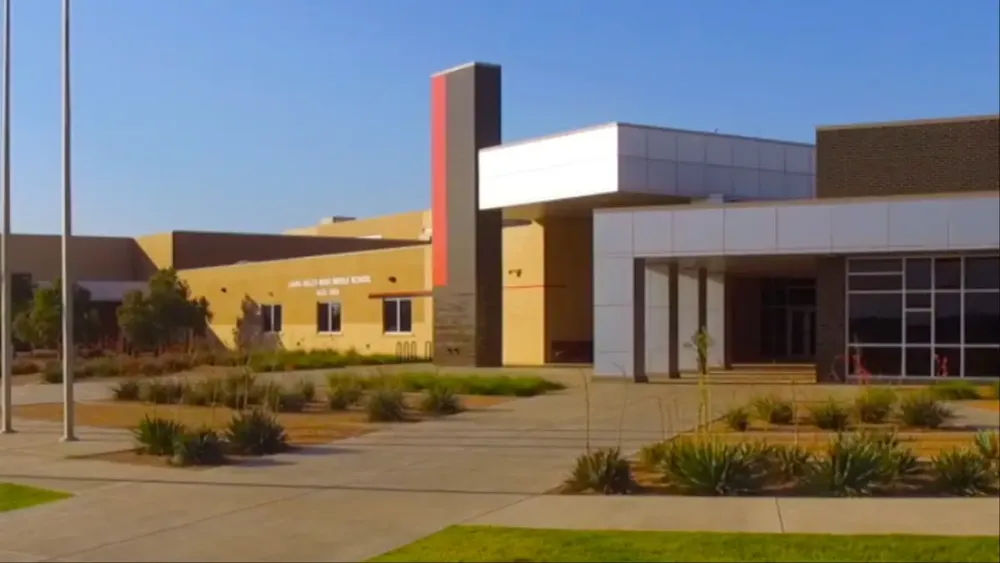
Black students who experience racial harassment, bullying, disproportionate discipline and other race-based discrimination at school under Trump 2.0 are finding the Education Department is no longer as interested in holding the offenders or local school systems accountable, according to two separate, recently published investigations by ProPublica and The Washington Post. During President Donald Trump's second term in office, the Education Department's Office for Civil Rights (OCR) has dismissed thousands of civil rights investigations, and has only opened 14 new investigations into allegations of racial harassment of Black students, while more than 500 complaints of racial harassment have been filed since Jan. 20, ProPublica reported. Laura Bush Middle School in the Lubbock-Cooper Independent School District. (Photo: Lubbock-Cooper Laura Bush Middle School Facebook Page) Roughly 50 racial harassment cases were resolved by OCR over the last three years under the Biden administration, usually through agreements with school districts requiring changes in their policies and practices, and establishing independent monitors for years or months to make sure the districts followed through. As it has been historically, the DOE's civil rights office under Biden was focused on ensuring equal opportunities for students of color. But nearly a year since Trump took office, the Office for Civil Rights has not entered into a single new resolution agreement involving racial harassment of students, ProPublica found. Meanwhile, the agency is prioritizing investigations of alleged discrimination affecting white students, anti-Semitism complaints and policies regarding transgender students. ‘This Isn’t a Joke’: Trump Signs Off on a White House Video So Extreme He’s Forced to Delete It Within Hours — But It Was Already Too LateDuring the first six months of this year, OCR required schools to make changes and agree to federal monitoring in 59 civil rights cases, compared with 336 during the same period last year, a previous Washington Post analysis found. Most, 89 percent, of those cases involved disability rights. Both the investigative reports highlight cases where severe racial harassment against Black students has been alleged or substantiated through local and Department of Education investigations, but the feds have not followed through on enforcement action or have abandoned pending investigations. In 2023, the OCR launched investigations into a Texas school district, Lubbock-Cooper, after several alleged incidents of racial bullying shocked the community and made national headlines. One case involved allegations that white students accosted Black students with racial slurs such as “ni—er” and “porch monkey,” told them to “go pick cotton” and played the sounds of cracking whips on their cellphones as Black children walked the hallways of a middle school. A year ago, an investigator from the OCR was planning to visit the area, community members told the Post, and complainants hoped that afterward the federal government would negotiate protections for minority students in Lubbock County, where about 8 percent of students are Black. But the visit never happened, and in March the lawyer representing the families learned the Education Department investigator was terminated, along with more than 300 OCR employees. The Trump administration closed 12 regional civil rights enforcement offices, including the one in Dallas responsible for the complaints in Lubbock. No one from the OCR has reached out to either the plaintiffs’ attorneys or school district officials this year. Since then, the Post reports that the Lubbock NAACP has been bombarded with complaints about racial injustices in area schools, including: “A Black high school football player was called a “b-tch ass” N-word by white players during a game in September with no consequence, his mother said. A Black 12-year-old boy, falsely accused last December of touching a white girl’s breast, was threatened and interrogated by a police officer at school without his parents and sentenced to a disciplinary alternative school for a month, his grandfather recounted. A Black honors student was wrongly accused by a White teacher of having a vape pen — it was a pencil sharpener — and sentenced to the alternative school for a month this past fall. ”They’re breaking people,” Phyllis Gant, a longtime leader of the Lubbock NAACP, told the Post, referring to local schools’ treatment of Black children. “It’s just open season on our students.” “In many of our communities, where people feel isolated and like they didn’t have anyone to turn to, OCR mattered and gave people a sense of hope,” said Paige Duggins-Clay, a lawyer at the Intercultural Development Research Association, an education policy and legal advocacy group that helped file some of the civil rights complaints against Lubbock schools. “And it matters that they’ve essentially destroyed it.” In an email to the Post about the Lubbock complaints, Julie Hartman, press secretary for legal affairs for the Education Department, wrote:“These complaints of racial bullying were filed in 2022 and 2023, meaning that the Biden Administration had more time to investigate this than the Trump Administration has even been in office. The Trump Administration’s OCR will continue vigorously enforcing the law to uphold all Americans’ civil rights.”She did not respond to a question about whether the agency had opened any investigations into discrimination against Black students since Trump took office.The OCR did reach out in July to Jefferson County Public Schools in Louisville, Kentucky, ProPublica reported, to sanction it for its efforts to address discrimination against Black students. In September 2024, under the Biden administration, the district had agreed to address OCR’s finding that it disproportionately disciplined Black students and to put in place measures to halt unfair treatment. This year Trump’s Education Department warned the district that it “will not tolerate” efforts to consider racial disparities in discipline practices and accused the district of “making students less safe.” Then it revoked a nearly $10 million federal magnet-school grant and chastised the district for having sent extra funding to schools with more students of color. The district revised its school funding formula in response but has asked an administrative law judge in the Education Department to reinstate the grant, which is designed to help further school desegregation nationwide and ensure all students have access to a high-quality education. Though the OCR’s enforcement efforts have slowed to a crawl, racial harassment of Black students at school hasn’t abated, said Talbert W. Swan II, president of the Greater Springfield NAACP in Massachusetts. Last year white students in the Southwick-Tolland-Granville Regional School District in his community held a mock “slave auction” on Snapchat, bidding for the sale of Black students. It prompted a federal complaint filed with the DOE’s Office of Civil Rights by a 13-year-old Black girl who was “bid on” during the auction, followed by a lawsuit filed in a Massachusetts state court in July accusing the Southwick district of allowing racism to persist unchecked. The district agreed to address racial bullying and to be monitored by the state attorney general through this school year. The federal investigation is allegedly ongoing. “When you’re talking about 13-year-olds holding a slave auction, it lets you know that these racist attitudes are not dying,” said Swan, who also is senior pastor of the Spring Of Hope Church Of God In Christ. “They’re being reproduced over and over again from generation to generation.”"The districts know that OCR has been dismantled so there's no urgency to fix these issues," Gant told the Post. "It's on the community and it's on the parents to be factual, vocal, and not quit."