Many in Bay Area Afghan community fearful as ICE crackdown intensifies after shootings of National Guard members in Washington DC
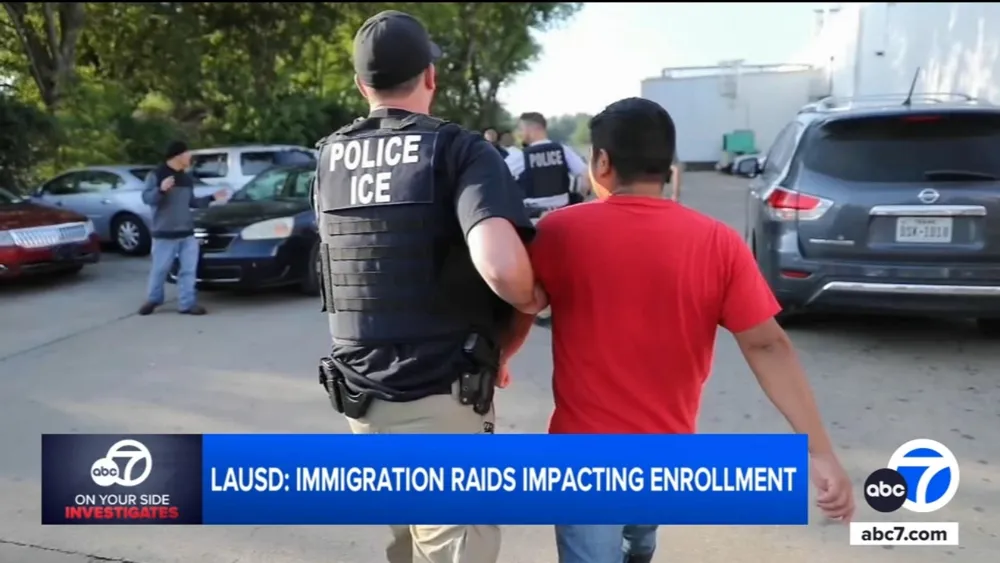
The new immigration crackdown comes after an Afghan national was accused of shooting two National Guard members in Washington, D.C.
Since then, many in the local Afghan community have condemned the shooting and expressed concern over how it might impact them.
The Council on American-Islamic Relations says those concerns are real. By their count, at least 12 Afghans in Northern California have been detained by ICE since Monday.
"The Trump administration is targeting upwards of 2,000 Afghan immigrants, and ICE leaders are being required to report daily about how many detentions they've made in their regions," said Zahra Billoo.
MORE: Bay Area Afghans brace for restrictions as Trump calls to halt immigration after DC shooting
CAIR believes many of those being detained are in the U.S. legally and even helped the country fight against the Taliban.
Jeffrey O'Brien is an immigration attorney. He said he's never seen the government mass-review the immigration applications of people already approved to be in the country.
"Any time that national security comes into play, the government has pretty wide latitude to re-vet people, vet people. They go through a number of different agencies that all take a look at the application," said O'Brien.
In the heart of Little Kabul in Fremont, we talked to several people in the Afghan community and the fear is palpable.
All of them tell us they're afraid of what's going on, not just for themselves but also for their friends and family.
MORE: Trump administration announces pause on asylum decisions after National Guardsmen shooting
"It's really unfair because one person did something, and it's impacting the entire nation, which I would say it's really unfair. We're not happy about that," said Sayed Musavi.
CAIR is advising anyone contacted by ICE or another federal agency to speak with a lawyer.
In the meantime, they're encouraging their community to stick together.
"These people are not flight risks. They are not a danger to their communities. They have made clear that they want to lay down roots and establish their new lives here. But now, they're in limbo," Billoo said.